Sylvio Cator: Haiti’s Olympian

By Brandon R. Byrd “Sylvio Cator from Haiti to see you.” On August 27, 1932, those seven words brought work at the United Press to a halt. At once, the sports reporters at the New York-based news agency strained their ears, listening for “the sinister booming of tom toms.” There were none. No matter, though.…

Black or Latin/o? Complicating Narratives of Race, Ethnicity, and Progress at the NBHOF

By Jorge E. Moraga Introduction: Your 2016 Baseball Hall of Famers… On July 27th, retired Major League Baseball (MLB) players George Kenneth “Ken” “Junior” “The Kid” Griffey Jr. and Michael Joseph “Mike” Piazza joined the ranks of baseball’s most elite club. In a near unanimous decision, the Baseball Writers Association of America (BBWAA) voted in…

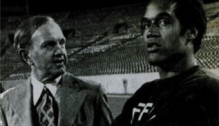
O.J. Simpson, Ex-Colored Man

By Brandon R. Byrd, Guest Contributor What would it mean to live beyond the color line? To live unencumbered by race; by blackness? Black novelists have tackled these questions time and time again. Passing. Colorism. Tragic mulattoes. These are common tropes in black literature since the nineteenth-century. The Autobiography of an Ex-Coloured Man epitomizes this…

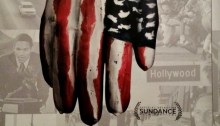
“The Fifth Quarter”: A Review of O.J. Made in America, Part Five

As part of ESPN’s 30 for 30, O.J.: Made in America examines O.J. Simpson’s movement through the American cultural, political, and social landscape of the past five decades. The five-segment documentary explores the significance of race, gender, celebrity, and violence in Simpson’s football career and later criminal trial. The Sport in American History blog will be reviewing all…

The Los Angeles Sports Arena: A Modest Memorial

By Frank Andre Guridy Sports arenas and stadiums seem to come and go at the whims of profit-seeking sports interests. Since the post-World War II period, cycles of stadium construction have produced costly state of the art facilities that are initially touted as architectural wonders or revenue generators, only to become abandoned white elephants after…